

The Last Tycoons
series not in production
Ended

Documentary
Seasons | 1
Episodes | 8
avg.Runtime | 58 min
First EP | 2019-10-12
Last EP | 2019-11-30
Overview
Stream on
An eight-part series on the history of French cinema from the postwar era to New Wave and beyond. Unearths the stories behind the films’ creation through live and archival interviews with the producers of the films in the series, as well as colleagues, family members, and experts on French cinema. Interlaced throughout is footage from a wealth of classic French films.
Created by
Produced by
Les Films d'Ici
Le Pacte
Season List
season 1 || Miniseries
Relesed on | 2019-10-12
1
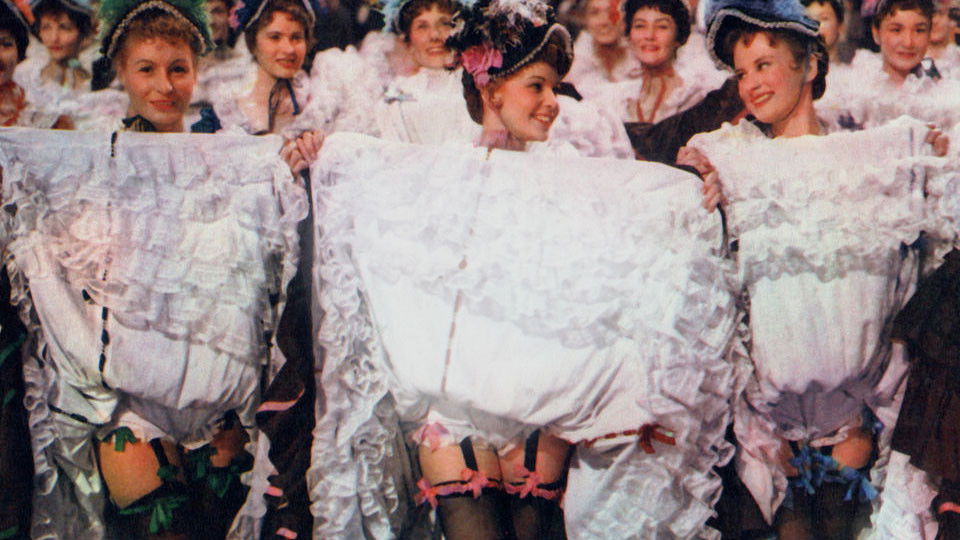
The Romantic Ones
2019-10-12
Dissatisfied in Hollywood, brothers Robert and Raymond Hakim returned to France to re-launch their careers. André Paulvé, a grain broker, talked his way into his first production. Alexandre Mnouchkine parlayed fur business cash into a life in cinema. Larger-than-life, cigar-chomping Henry Deutchmeister built a faux 18th-century manor — replete with modular edit suites.
2
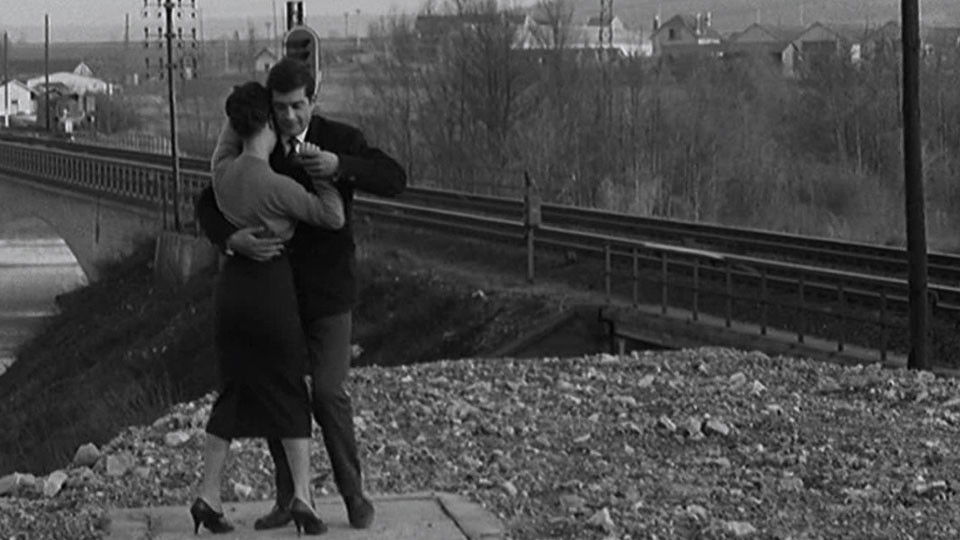
The Tenacious Ones
2019-10-19
During WWII the Nazis seized the operations of dormant production companies—notably those of Jewish producers who were unable to work. Robert Dorfmann and Pierre Braunberger hid out together during part of the war, then Braunberger was interned as was producer Anatole Dauman. After the war Braunberger regained possession of his old office and went right back to work. The French government reluctantly funded the production of Night and Fog.
3
The Audacious Ones
2019-10-26
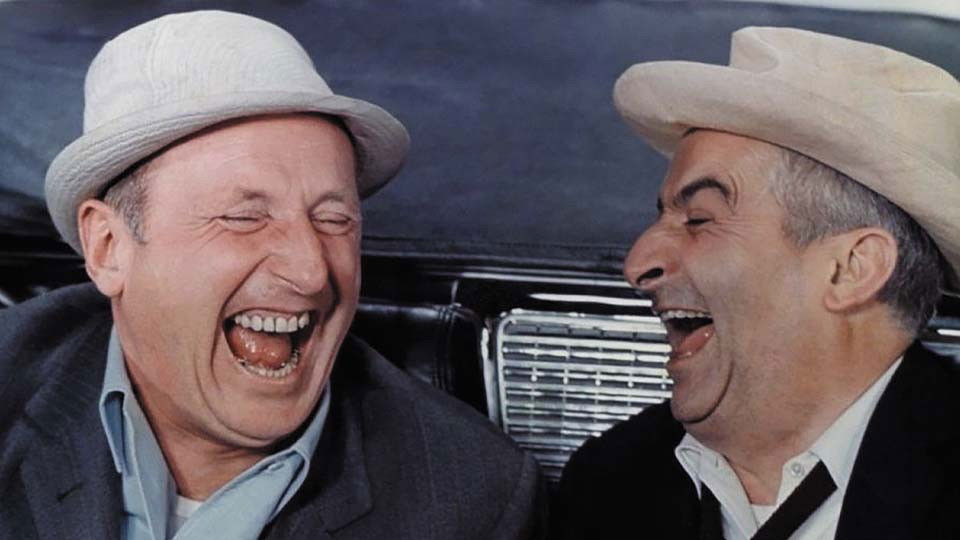
The New Wave was partly driven by producers who saw hand-held cameras and cheaper lighting as ways to save money. Breathless was a collaboration between a producer and director who were both dangerously close to bankruptcy. Robert Dorfmann literally gambled the salaries of crew members to try to win enough to cover his overdrafts on The Sucker. Raoul Levy threatened to tear up his contract with Columbia unless the studio distributed And God Created Woman in the US—a film that turned Brigitte Bardot into a household name.
4
The American Way
2019-11-02
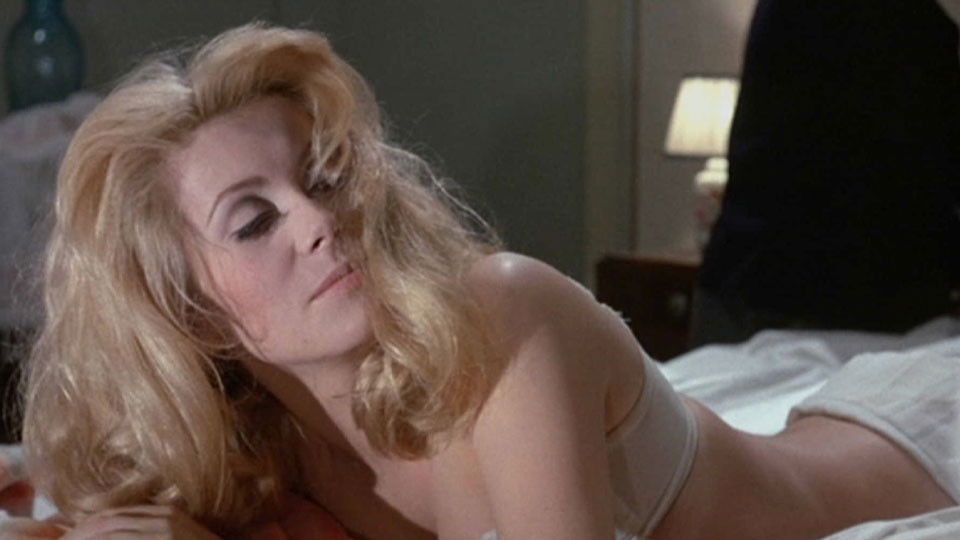
In American studios, producers weren't constantly hunting for financing, and unlike under French law, directors didn't necessarily get final cut. Jacques-Éric Strauss's introduction to production came when Fox studio head Daryl Zanuck threw the script for The Sicilian Clan on the floor and told him it was the worst thing he'd ever read...then financed it anyway. Some adopted American vertical integration methods, producing and distributing while also running labs and cinemas—a scheme that pit creative producers against corporate bigwigs.
5
The Lovers
2019-11-09
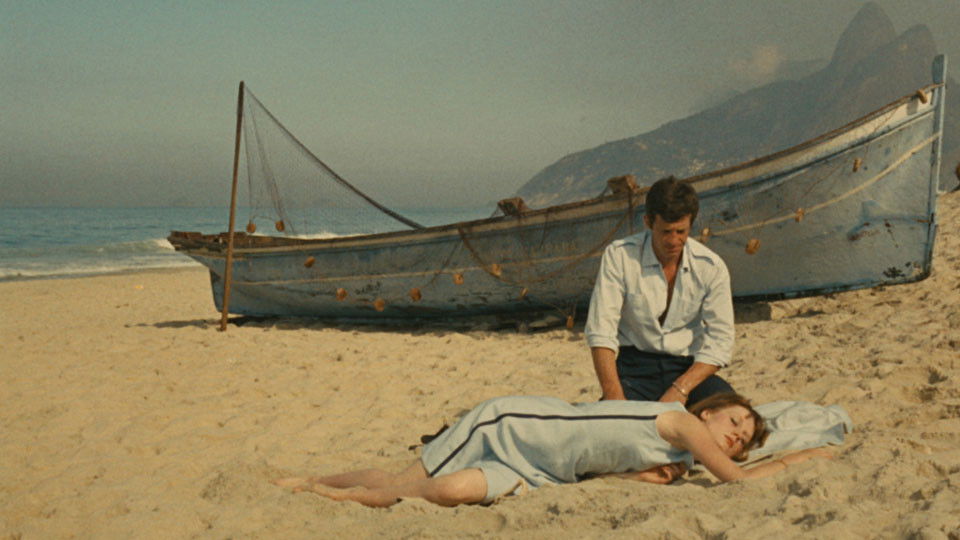
Producers driven by a true passion for film. Mag Bodard was a woman producing films during an almost completely male-dominated era. Her financing challenges included the stereotype that women couldn’t handle money. But she stuck with projects nobody else thought would get made. Jacques Perrin championed the political thriller Z at a time when there was little appetite for serious political films, faking contracts to secure bridge financing. Alexandre Mnouchkine and Georges Dancigers even pitched in with costuming to help get projects they loved made.
6
The Immortals
2019-11-16
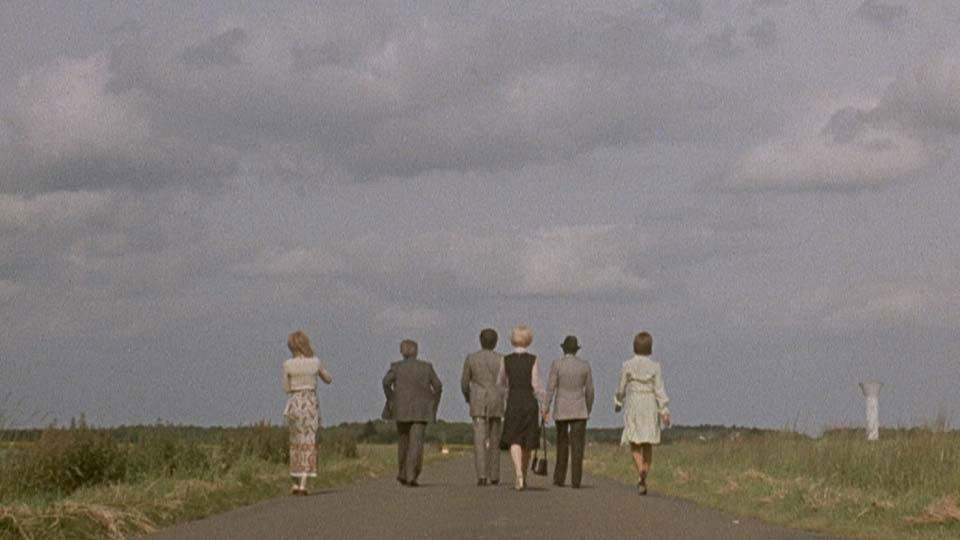
Raymond Danon's hard-nosed, no-nonsense persona concealed a deep love for cinema and a flair for the theatrical. Danon fought for the projects he loved, knowing that no one really understands why some films hit and others flop. One of few women then producing, Albina du Boisrouvray remembers being dismissed as playing at making films. A close-up view of the working relationship between producer Serge Silberman, writer/director Luis Buñuel, and writer Jean-Claude Carrière on The Discreet Charm of the Bourgeoisie.
7
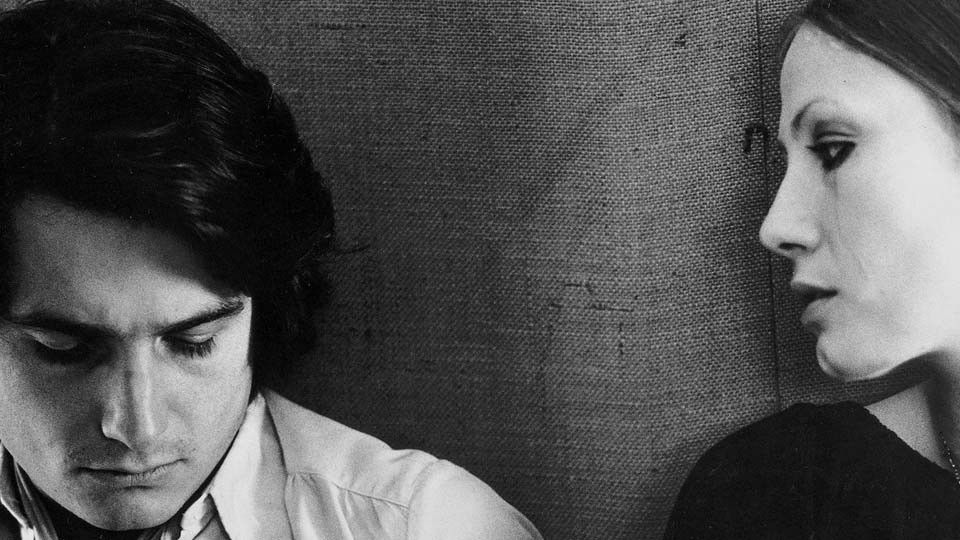
Censorship
2019-11-23
The 1970s expanded the bounds of the permissible in film — anything that could make it past the censors. Emmanuelle was emblematic of this new era. Produced by a former advertising director who picked up a lapsed option on the book of the same name, the film relished its 18+ rating and enjoyed a 12-year theatrical run. Many in the establishment looked down on these daring new films, but producers found ways to get them made—even resorting to blackmail.
8
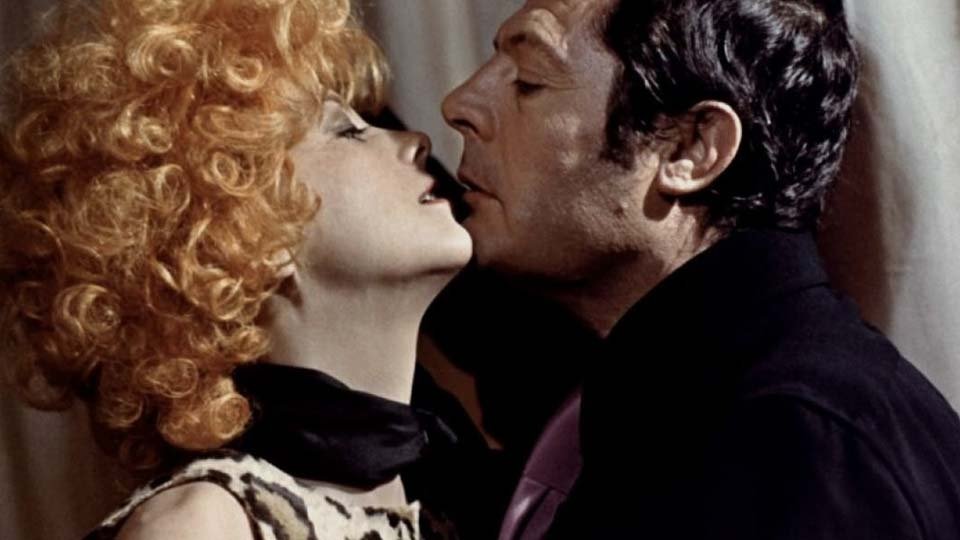
The Magnificent Ones
2019-11-30
Risk-taking producers at the tail end of a wide-open period of French cinema. Jean-Pierre Rassam lavished money on filmmakers he trusted, and didn’t bother reading scripts. Christian Fechner had to manage a shoot with a star who had just had a heart attack and nobody wanted to insure. And producer and part-time magician Claude Berri was put to the test by Roman Polanski and the sprawling production of Tess.
CAST

“I would rather entertain and hope that people learned something than educate people and hope they were entertained.” – Walt Disney