
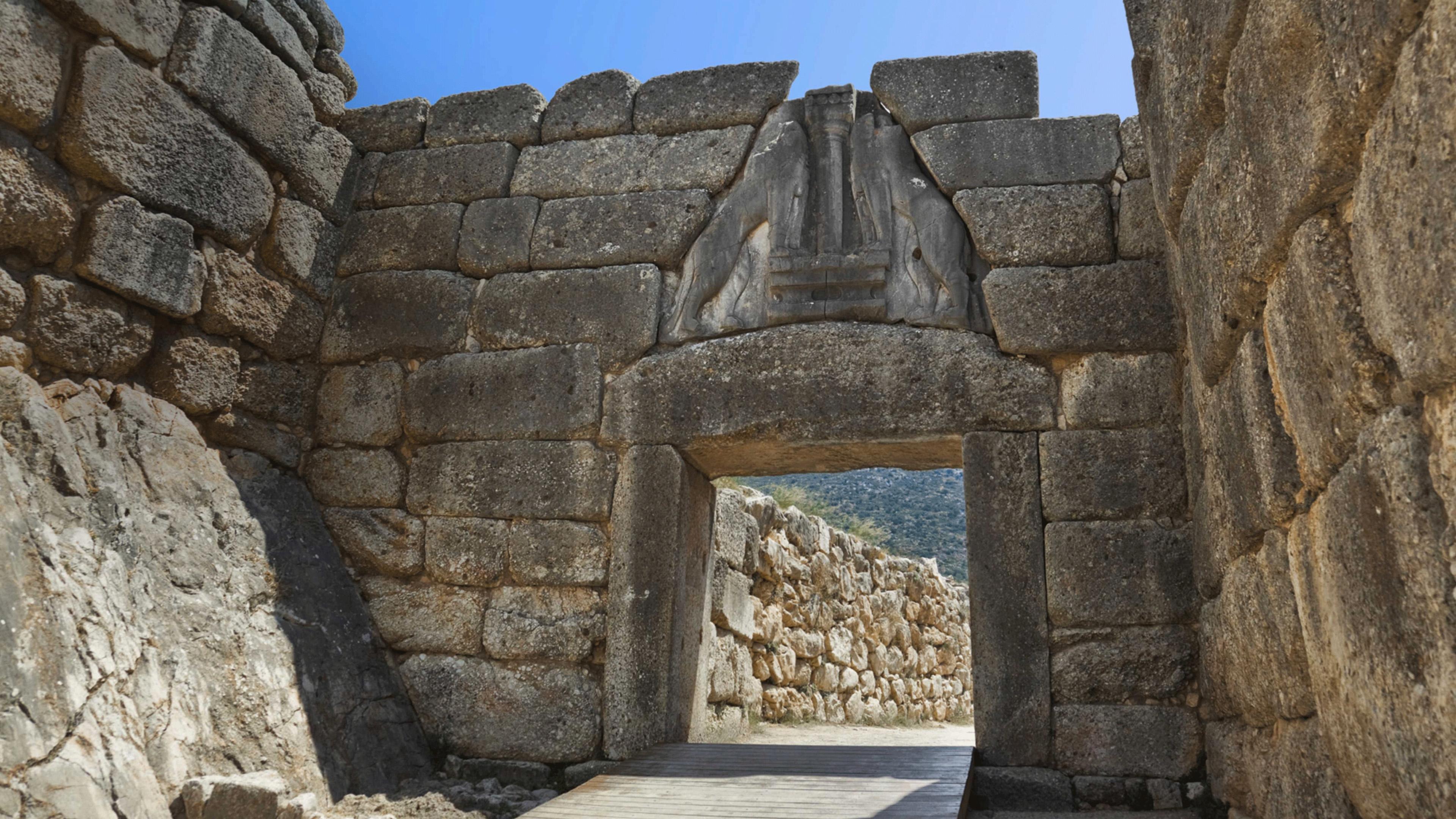
Cities of the Ancient World
series not in production
Ended

Talk
Documentary
Seasons | 1
Episodes | 24
avg.Runtime | 30 min
First EP | 2014-08-29
Last EP | 2014-08-29
Overview
Stream on

Curiosity Stream
People live in a world of cities; reflecting on ancient models of the city as a human phenomenon offers important lessons about today's culture; an opportunity to survey the breadth of the ancient world through the context of its urban development.
Created by

Produced by

The Teaching Company
Season List
season 1 || Lectures
Relesed on | 2014-08-28
The lectures provide an invaluable look at the design and architecture of ancient cities, as well as a flesh-and-blood glimpse into the daily lives of ordinary people and the worlds they created.
1
The Lure of the City
2014-08-29
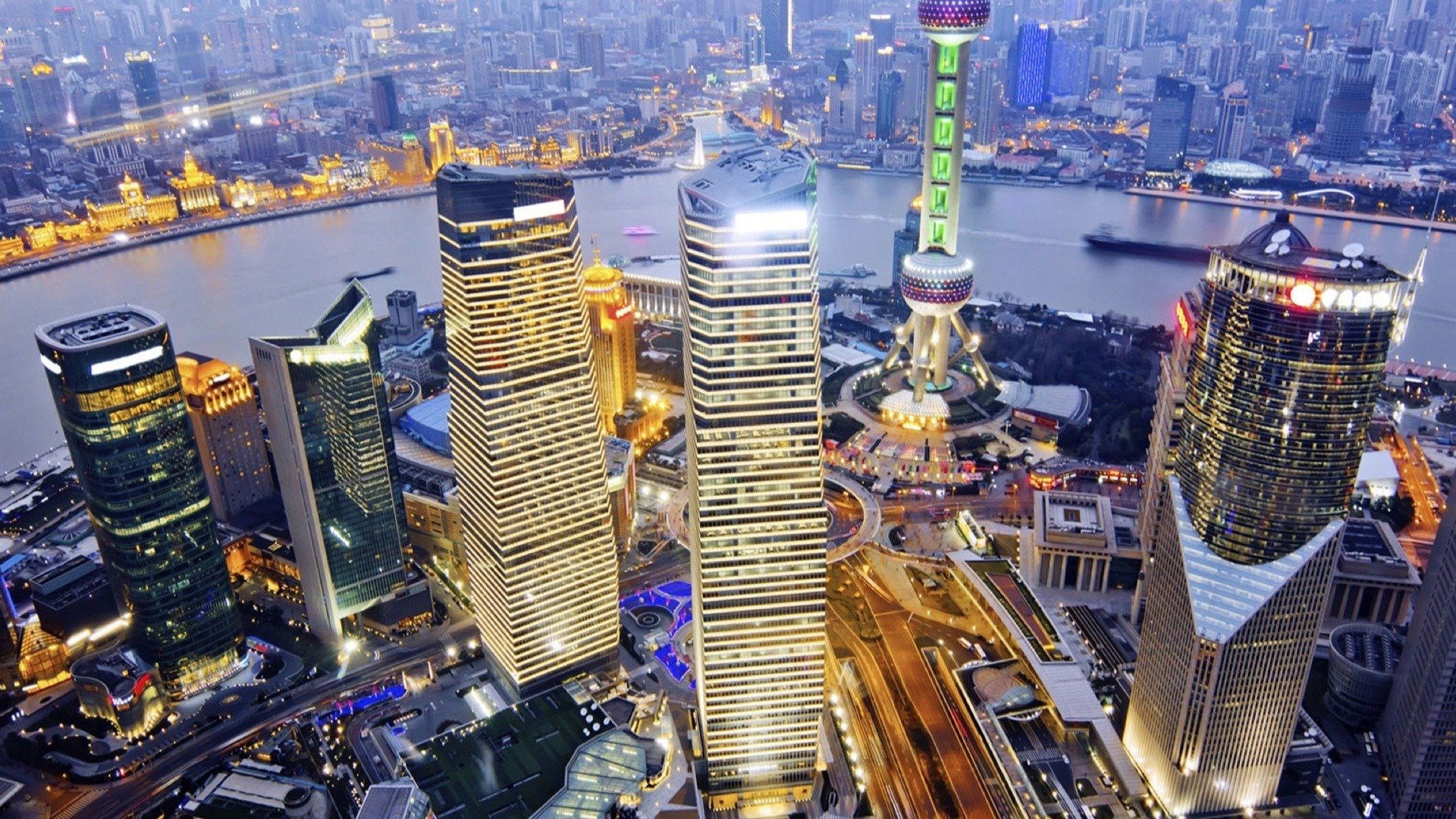
Cities are integral to our modern lives. Begin your tour by considering why wandering ancient humans left the forests and plains to create settlements. The fundamental question of “why” is just the first step toward understanding the inhabitants and lessons from ancient cities.
2

Çatalhöyük—First Experiment in Urban Living
2014-08-29
Imagine a city with no streets, no public buildings, and no common spaces. Built in layers on a small mound, the world’s first city offers an intriguing window into life in the Neolithic era. Explore the remains of Çatalhöyük’s family housing, murals, and religious shrines.
3
Jericho and Its Walls
2014-08-29
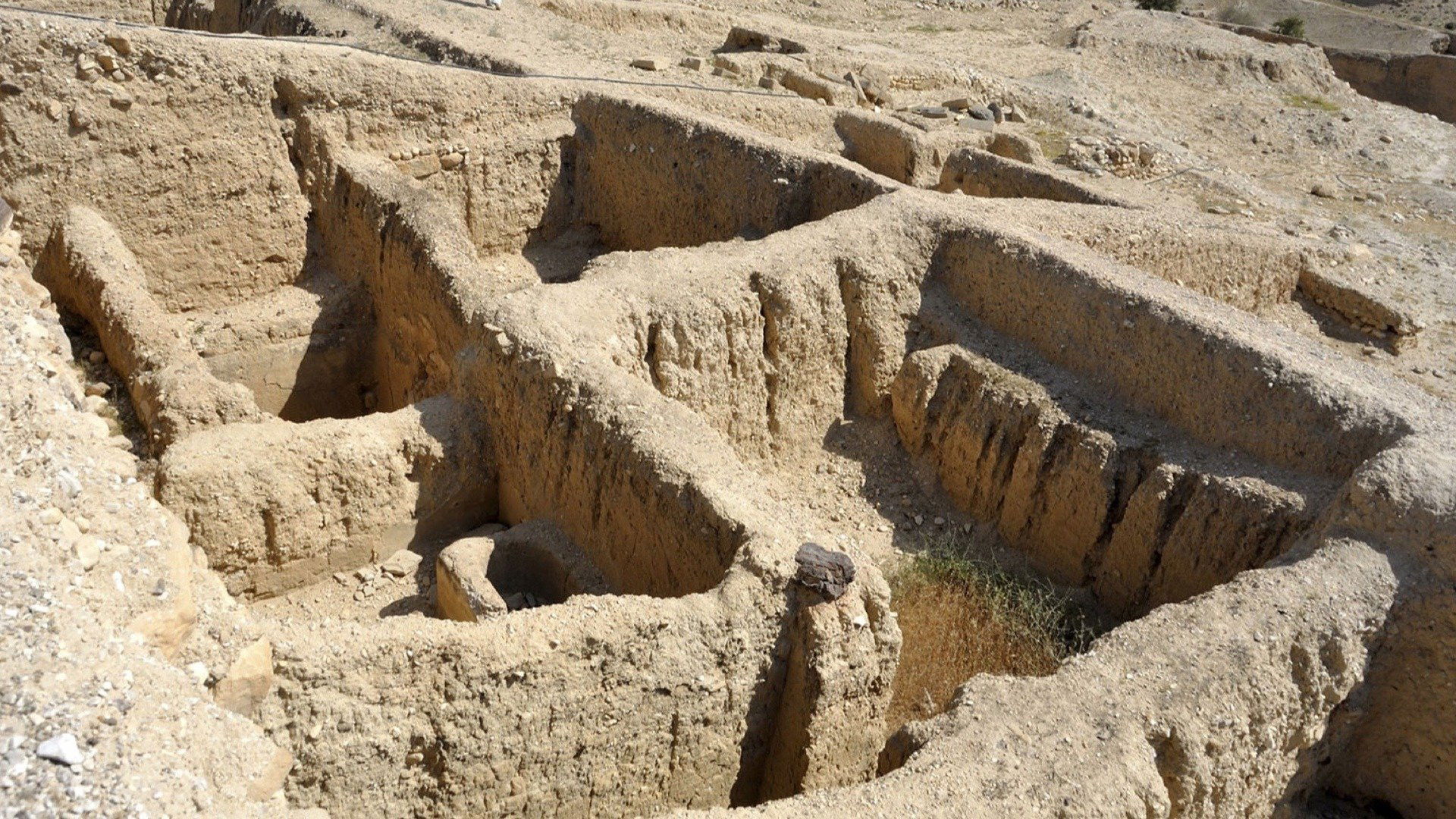
Nearly everyone has heard the story of the walls of Jericho, which famously came tumbling down in the book of Joshua. Look past the biblical story and find out what architectural remains suggest about this city, whose ritual spaces helped create a community and whose walls helped define this urban environment.
4
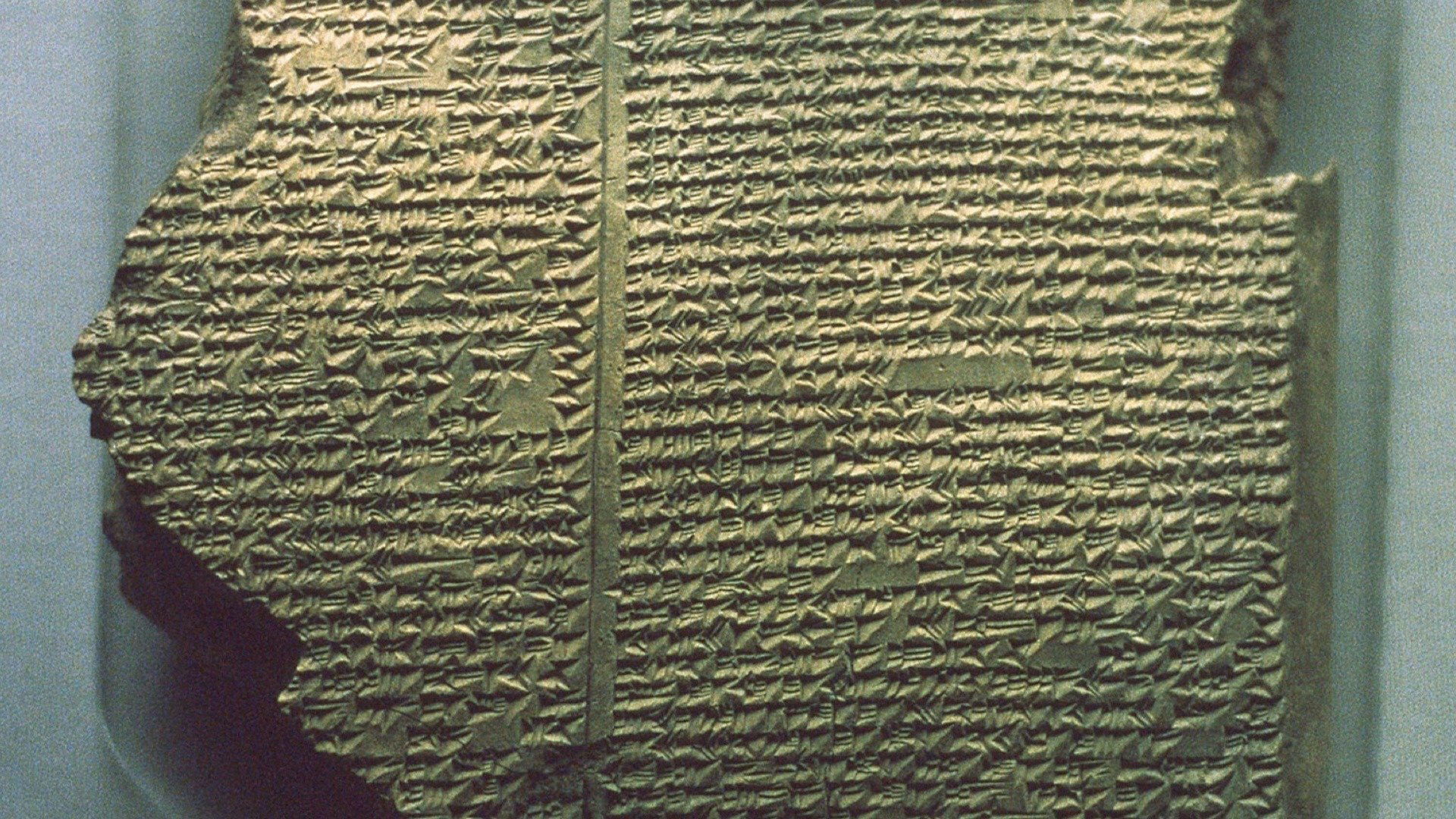
Uruk—City of Gilgamesh
2014-08-29
Shift your attention to one of the most marvelous cities in the ancient world. Located in the heart of Mesopotamia, Uruk exhibits many of the hallmarks of ancient civilization, including division of labor among its craftsmen, a class hierarchy that included professional priests, and records of art and literature.
5
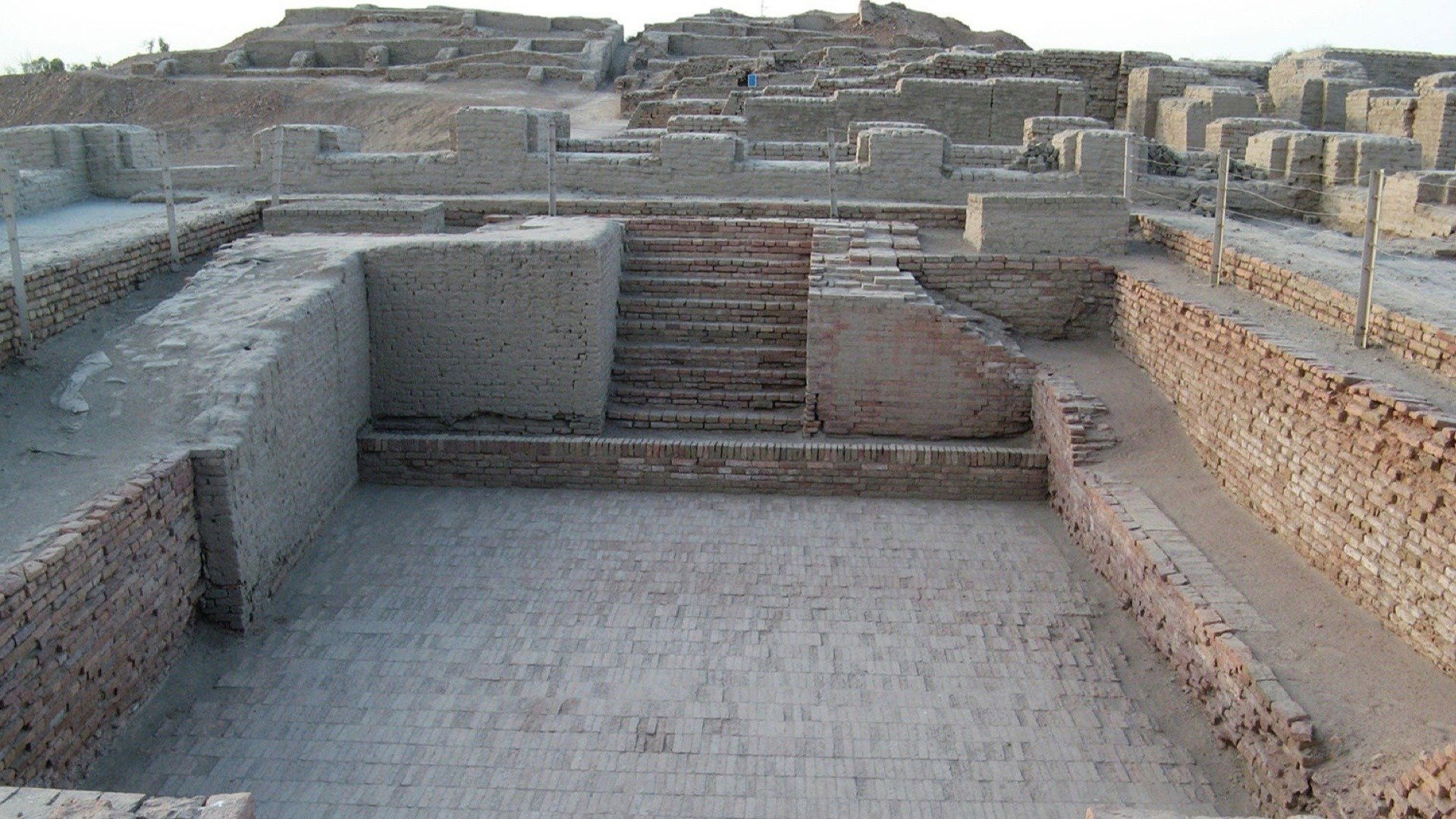
Mysterious Mohenjo-daro
2014-08-29
Venture east to the Indus Valley, home of one of the great unknowns among ancient civilizations. The lack of written evidence from the region means we are reliant on the archaeological record to understand the culture of cities such as Mohenjo-daro. Tour its so-called citadel in the city center, examine its remarkable water systems, and more.
6
Kahun—Company Town in the Desert
2014-08-29
Enter the world of ancient Egypt during the peaceful era of the Middle Kingdom. Here in the desert, paid laborers built tombs and temples for the pharaohs. To house the laborers, the Egyptians built Kahun, a planned city whose walls and layout reinforced the system of social class and served as a means of control over the population.
7
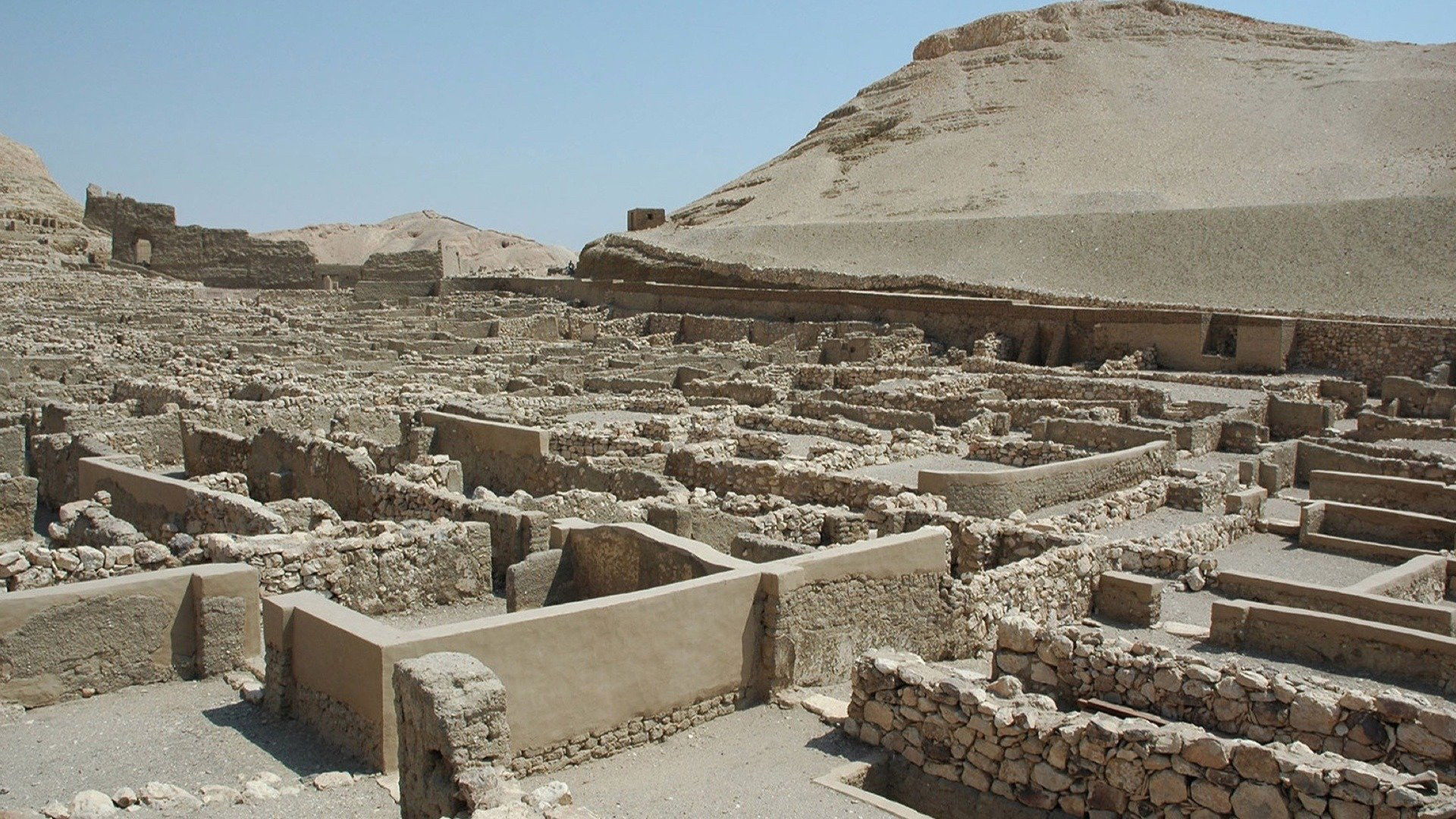
Work and Life at Deir el-Medina
2014-08-29
At the height of Egyptian power during the New Kingdom, skilled workers enjoyed more prosperity than ever before, and opportunities for promotion allowed for great social mobility. Meet several ordinary workers from this society and review some of the literature that teaches us about Egyptian social structure.
8

Amarna—Revolutionary Capital
2014-08-29
Deliberately created as a capital city near the center of the kingdom, Amarna served as an administrative and religious center designed to redirect political authority to the pharaoh, Amenhotep IV. Study some of the most iconic images from ancient Egypt and unpack the relationship between city planning and the social structure.
9
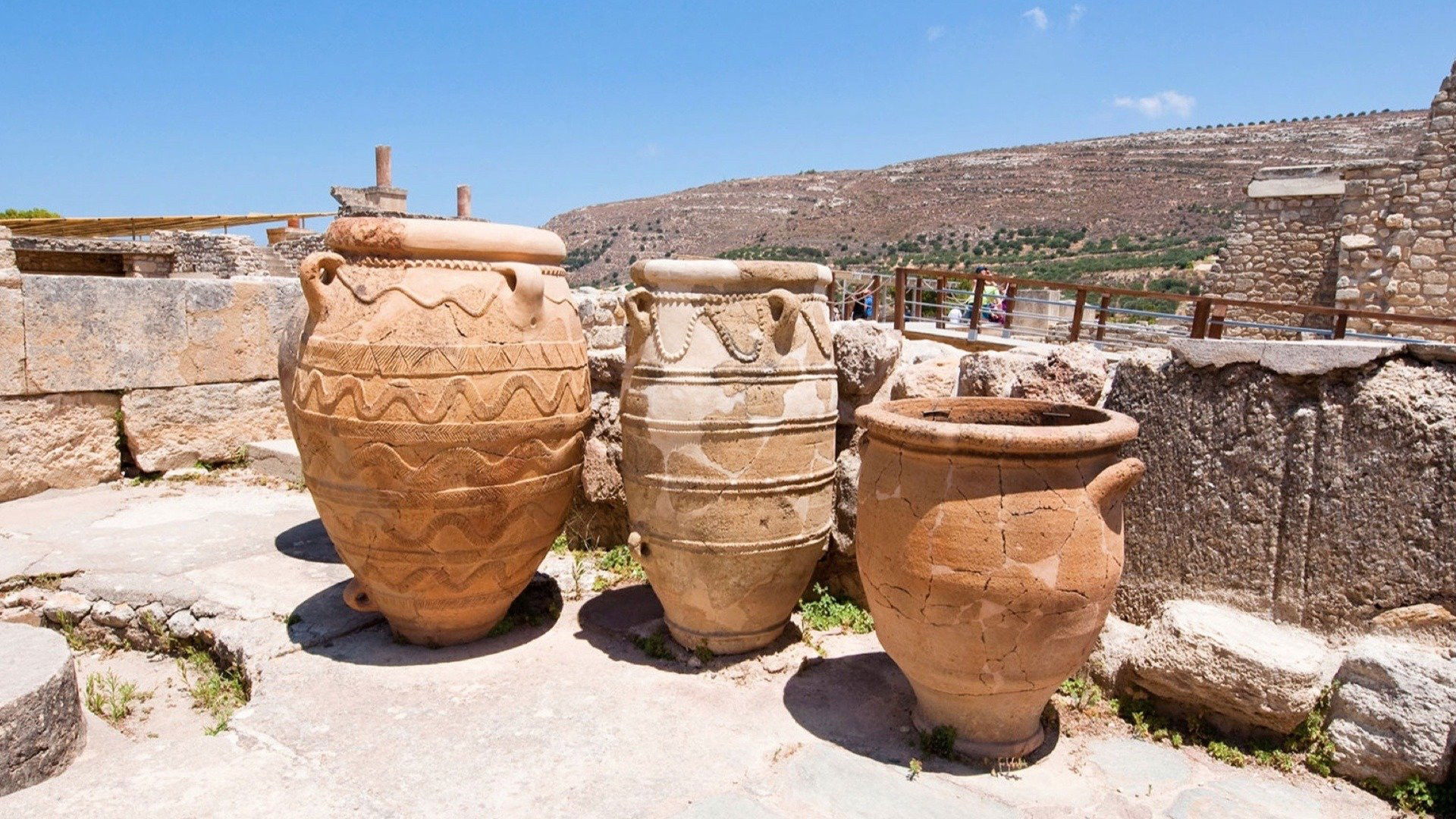
Knossos—Palace, City, or Temple?
2014-08-29
Delve into the remarkable Minoan city of Knossos, a labyrinthine complex integrated into the natural landscape. This sophisticated example of urban design was home to figures of myth, religious spectacles, sizable food storage and distribution areas, and a unique system of architecture. Tour this visionary civilization.
10
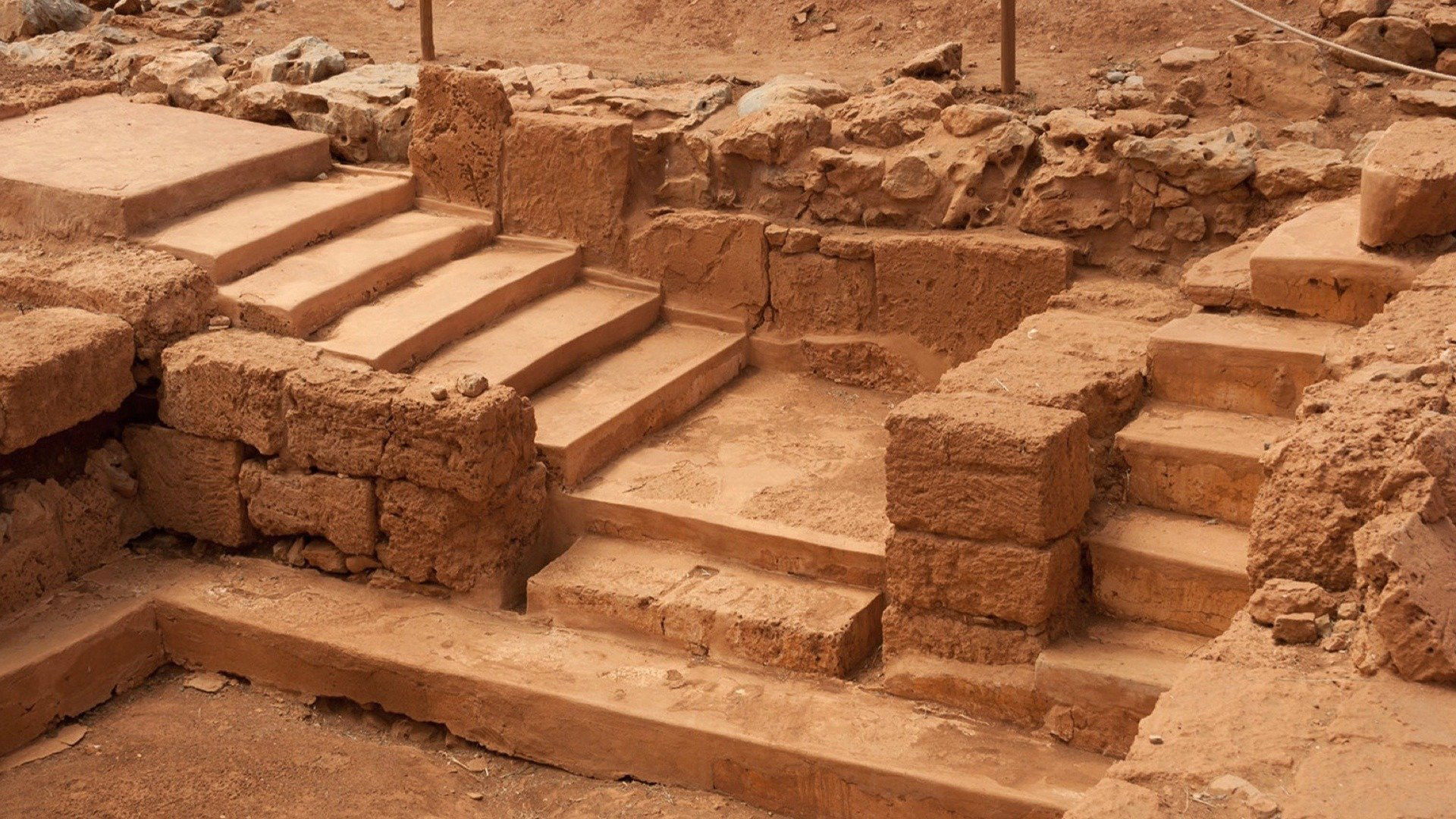
Akrotiri—Bronze Age Pompeii
2014-08-29
Visit another Minoan city, which was obliterated by one of the largest volcanic eruptions in human history. The eruption destroyed much of the city but also preserved a great deal. Look at some of the surviving houses and wall paintings and find out what archaeologists can deduce about daily life in the city from its remains.
11
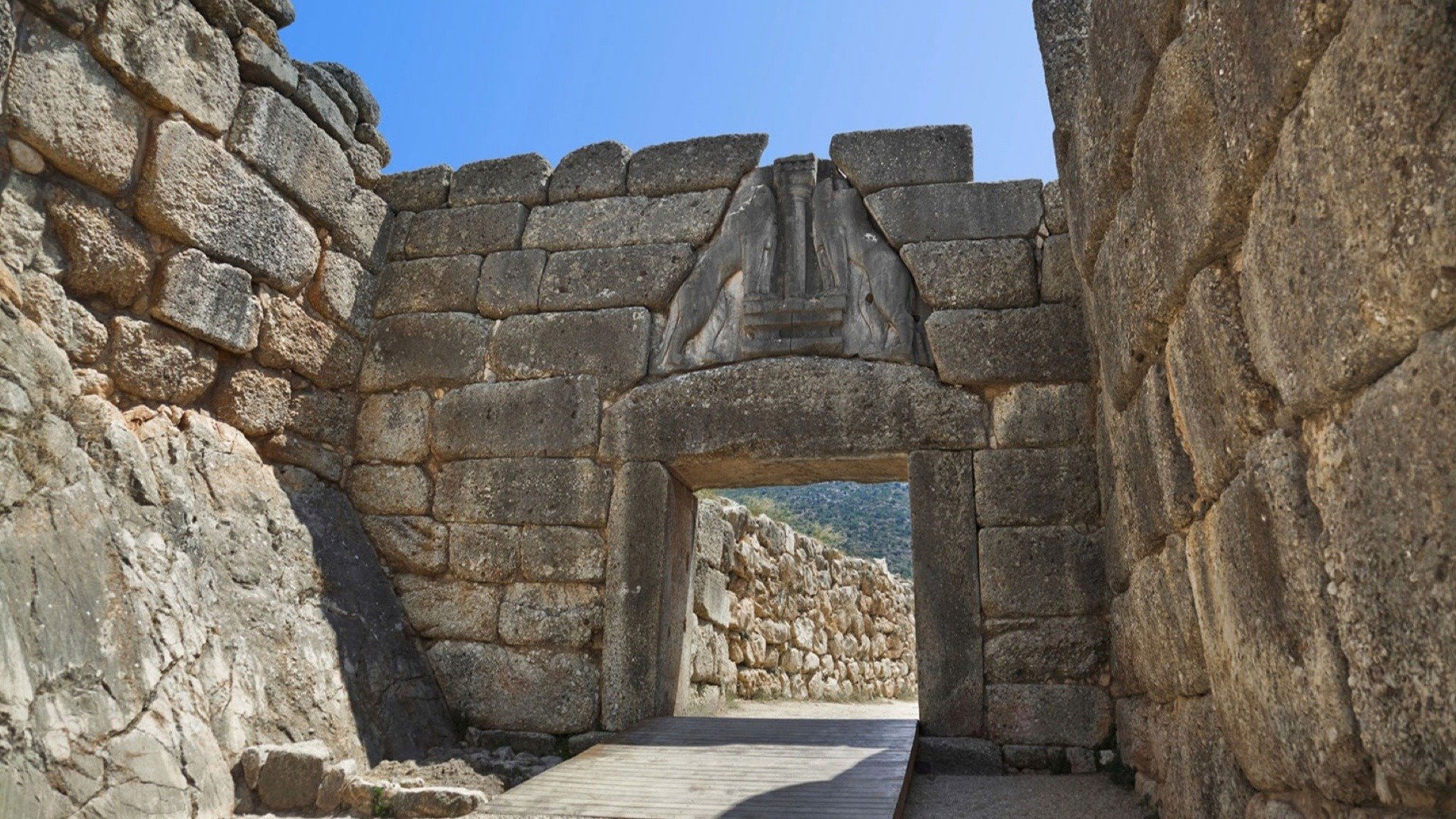
Mycenae, Tiryns, and the Mask of Agamemnon
2014-08-29
Investigate the culture of Bronze Age Greece. After learning about the intriguing masonry at Tiryns and the impressive walls of Mycenae, you’ll take a look at how vernacular architecture reveals differences in political systems among regional powers. Then find out about the Mycenaean collapse and the end of the era.
12
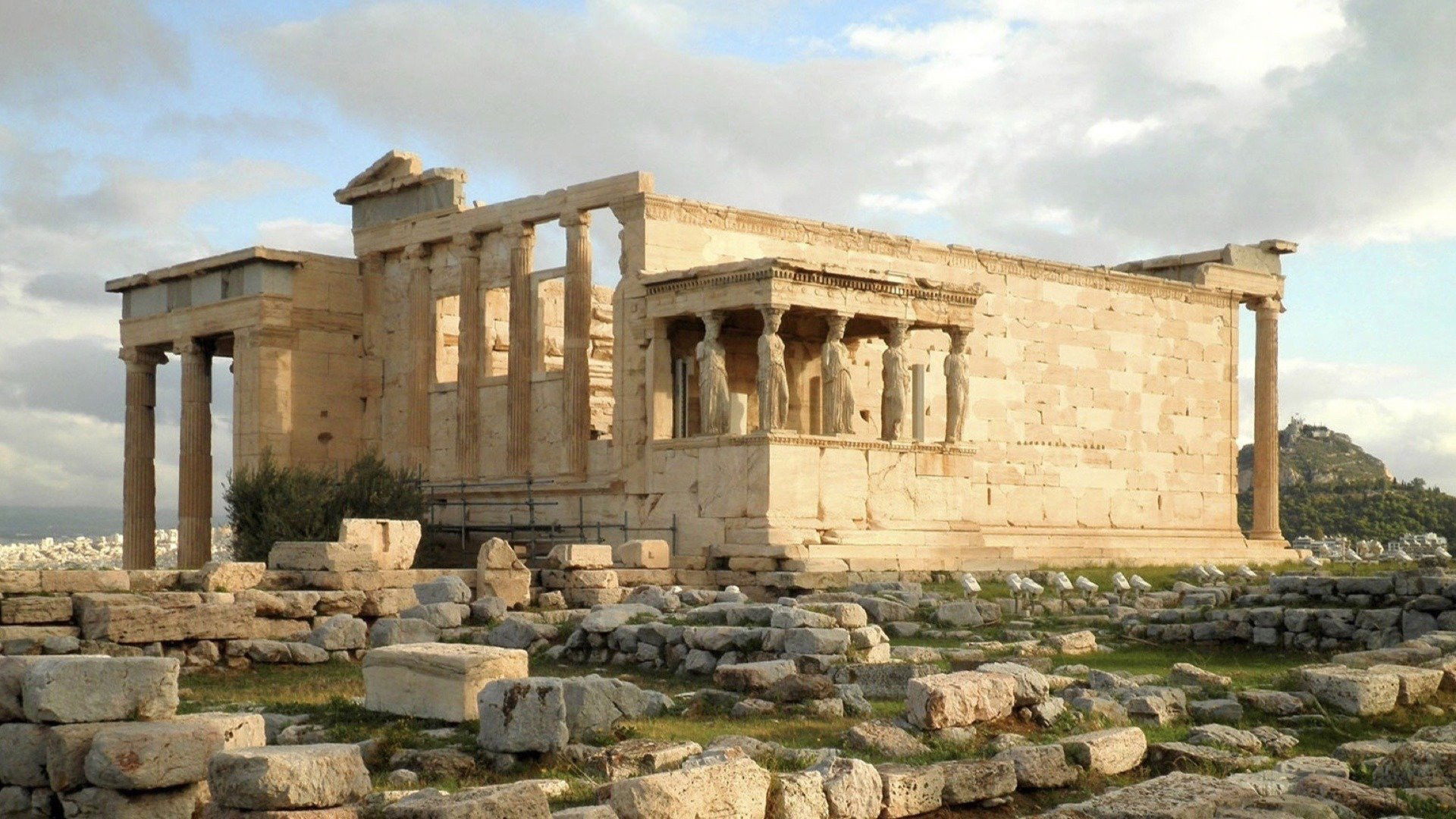
Athens—Civic Buildings and Civic Identity
2014-08-29
Leap forward to classical Athens in the Golden Age of the 5th century B.C. Tour some of the city’s most well-known landmarks, including the Agora, the Acropolis, and the Parthenon. Learn about the Periclean building program in the years following the Persian Wars, and examine some of the city’s great statues and friezes.
13
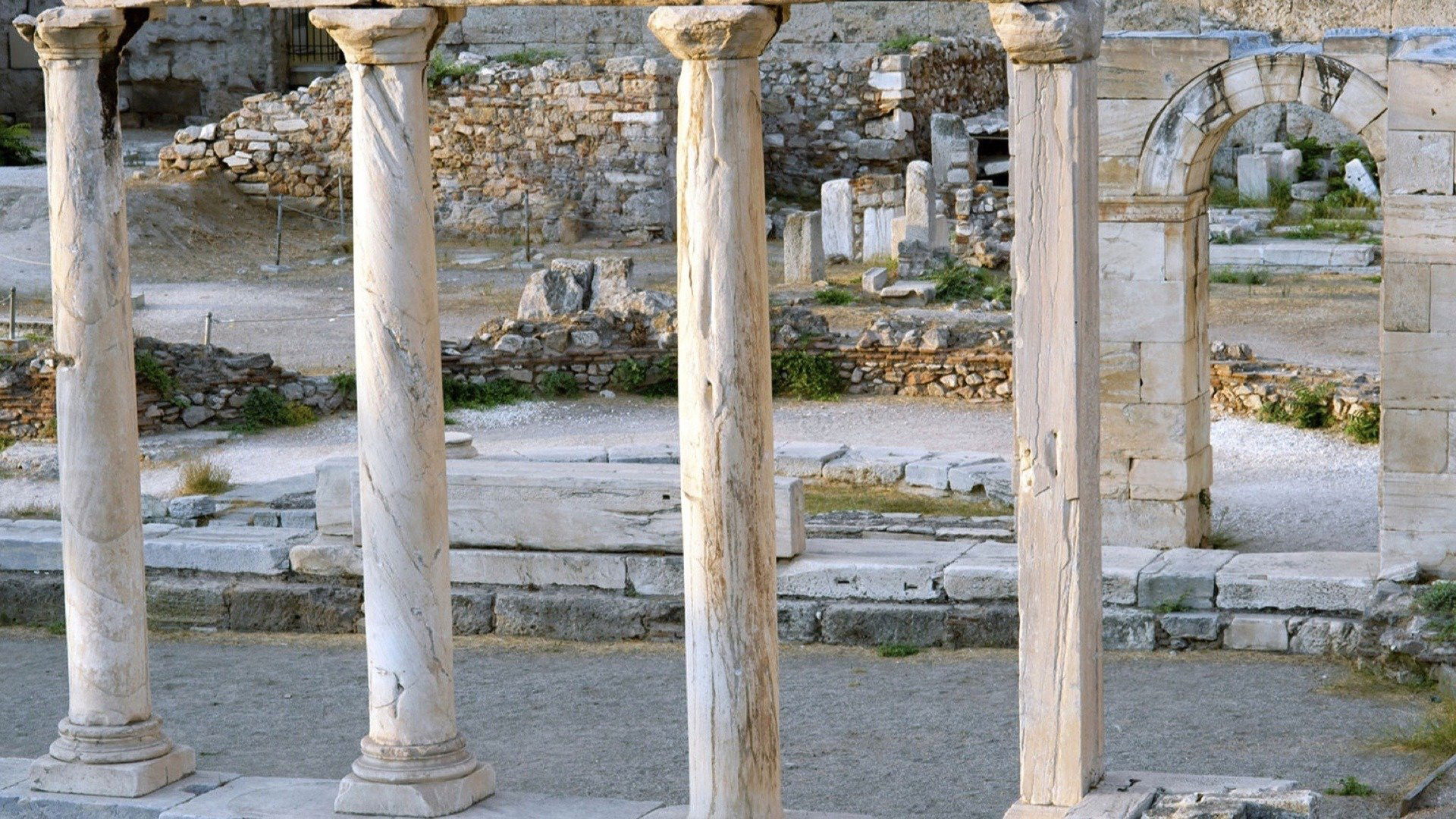
Athenian Domestic Architecture
2014-08-29
Turn from the Athenian public sphere to the domestic spaces and find out what life was like for everyday citizens. See how a shoemaker or a sculptor might fill his day—including a stop by the Agora—and consider gender separation and the role of women in ancient Greece.
14
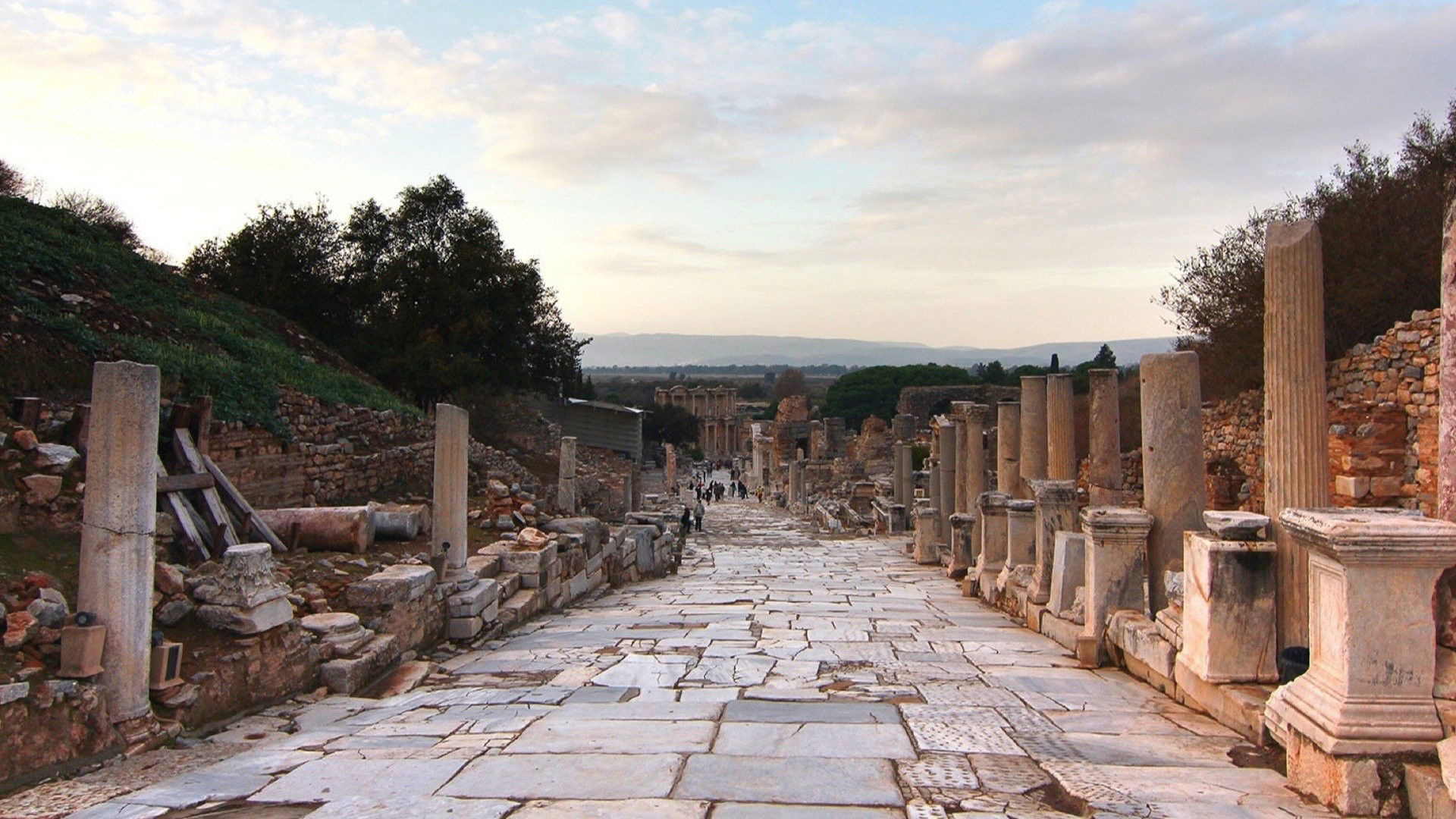
Hippodamian Planning—Miletus and Ephesus
2014-08-29
Meet Hippodamus of Miletus, the father of urban planning. He used the system of orthogonal planning—including broad avenues and streets at right angles—to reflect the ideal social order. From city blocks to the creation of districts, see this system in action and discover its impact on the history of urban design.
15
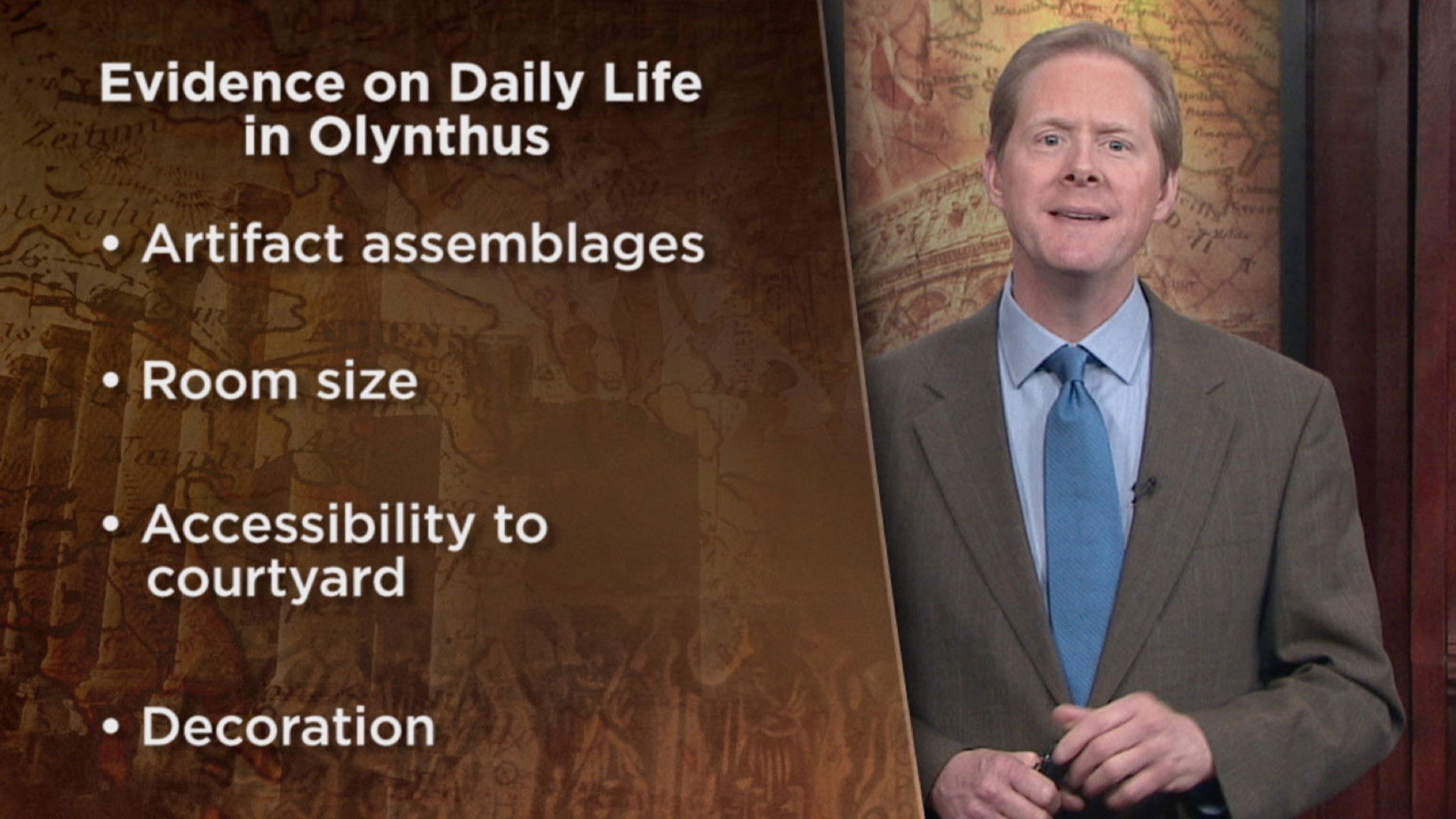
Olynthus—A Classical Greek City Preserved
2014-08-29
Founded for defense at the start of the Peloponnesian War, the planned city of Olynthus contains the best-preserved classical houses yet excavated from anywhere in the Greek world. Walk among the row houses and suburban villas to gain a rare glimpse into the patterns of domestic life in the ancient world.
16
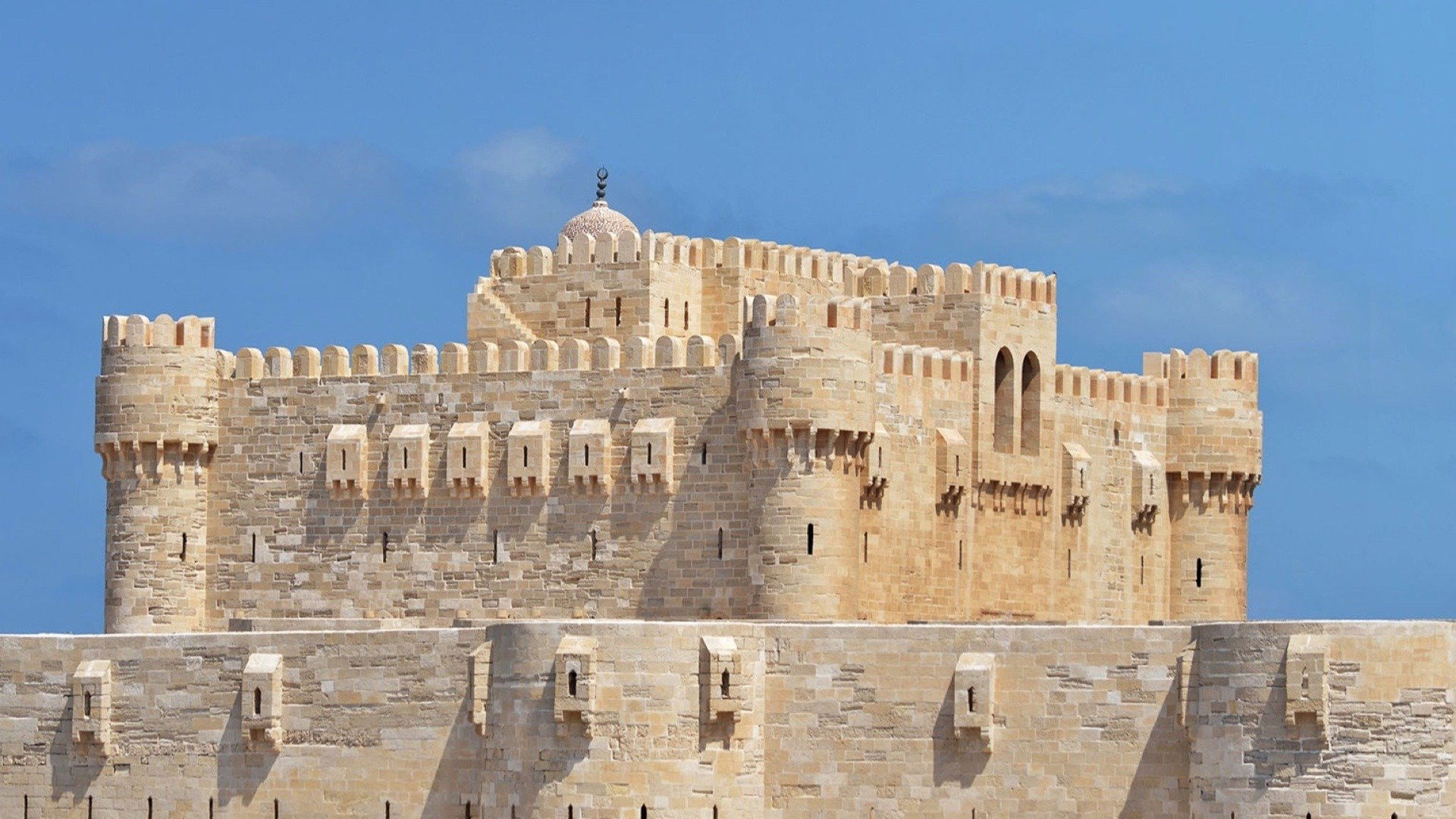
Wonder and Diversity at Alexandria
2014-08-29
Built directly on the seacoast and a major transportation hub, Alexandria is the first massive, cosmopolitan city we know of in antiquity. Its lighthouse was considered one of the Seven Wonders of the Ancient World, and the variety of artists’ workshops and its ethnic diversity made Alexandria the Greek cultural center.
17
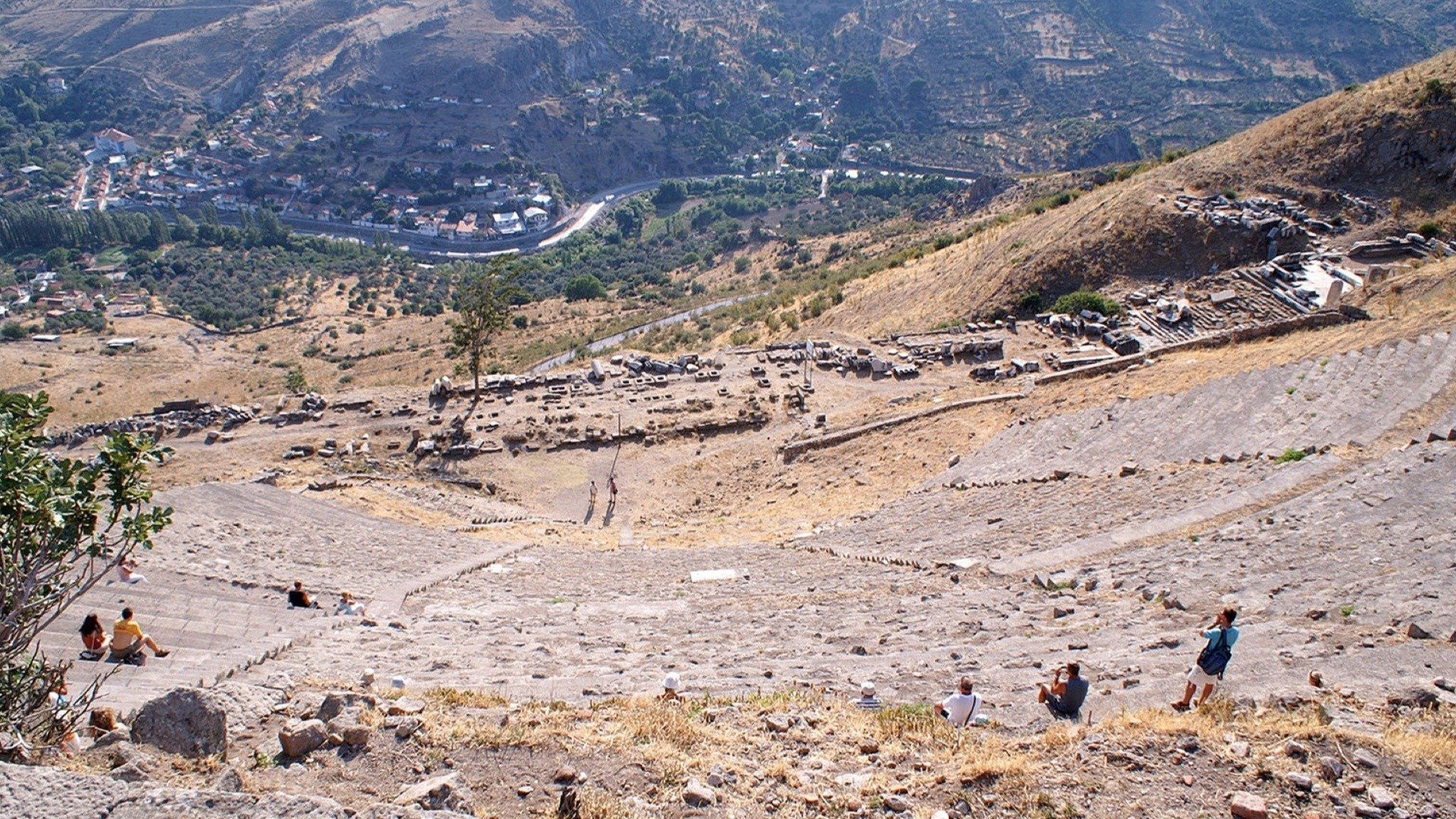
Pergamon—The New Theatricality
2014-08-29
While Hippodamian planning emphasized practicality, the organic layout of Pergamon emphasized theatricality, great scale, and drama—all intended to evoke wonder in viewers. See how this great city’s monuments and public buildings imitated and tried to surpass Periclean Athens.
18
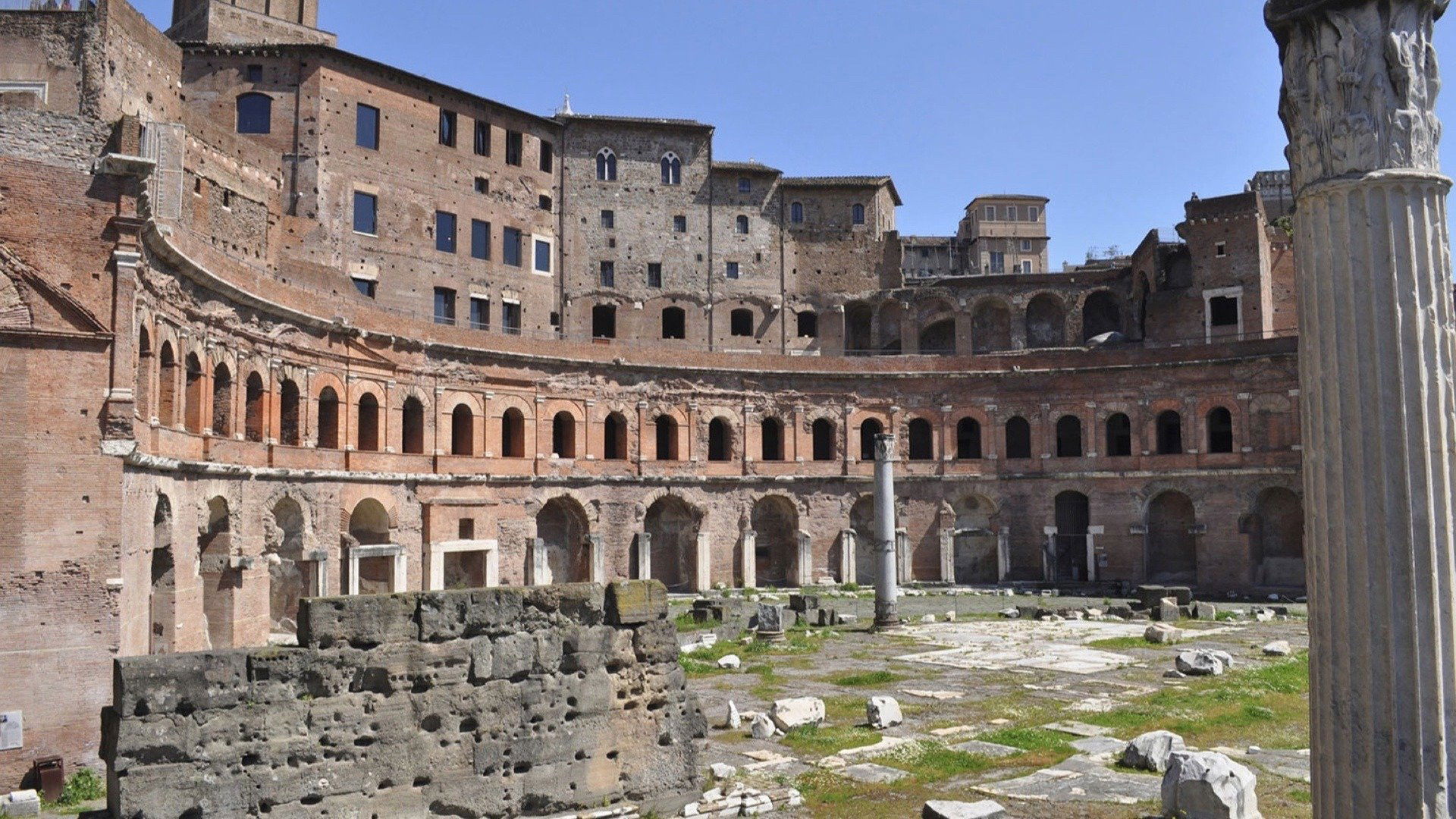
The Good Life in Rome
2014-08-29
Travel through Rome in the footsteps of a well-to-do citizen, from his freestanding apartment complex to the political happenings at the Forum Romanum to the Markets of Trajan. Then witness how all social classes interacted at the public baths, where lower classes wrangled dinner invitations from wealthy Romans.
19
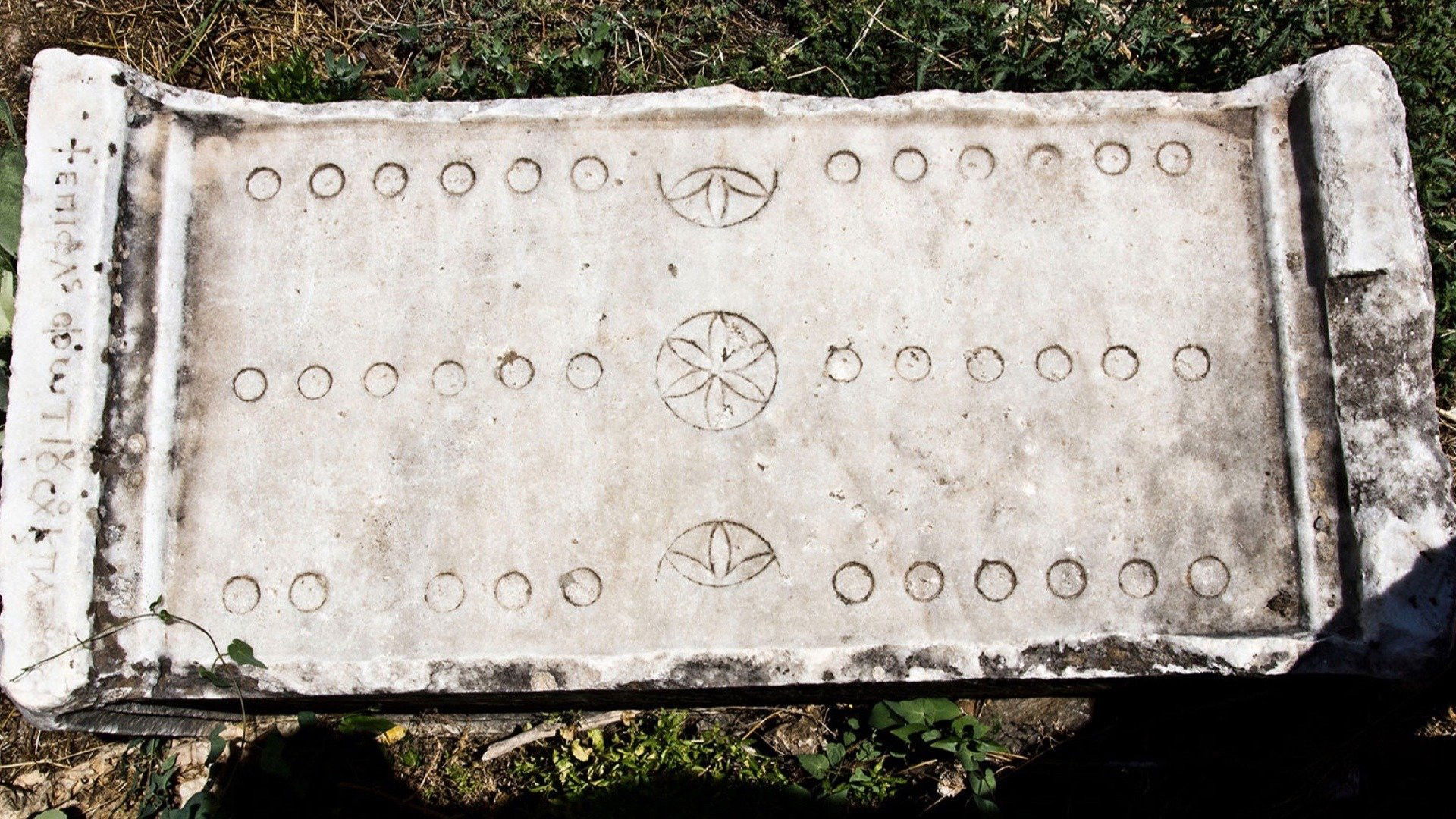
The Lives of the Poor in Rome
2014-08-29
Trace a day in the life of an immigrant glass blower in Rome, whose life would be considerably less fortunate thanks to xenophobia, dark and dank tenement housing, and the strong possibility of death by fire, flood, or famine. Then look at what alternatives poor Romans had, including life as a gladiator or soldier.
20
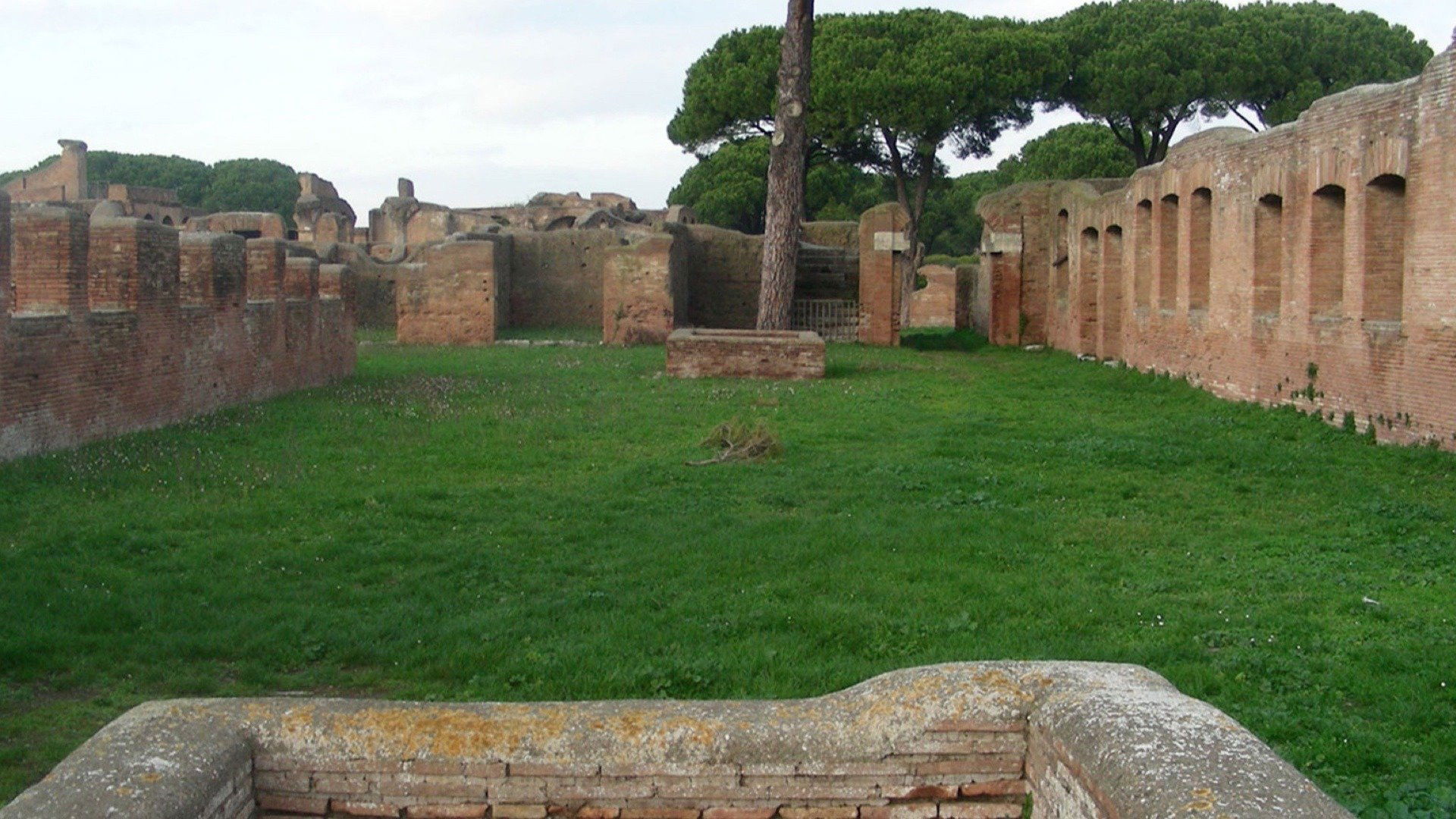
Ostia—Middle-Class Harbor Town
2014-08-29
One of the most intriguing cities in the ancient world is Ostia, a “producer city” that appears to have been comprised solely of middle- and working-class people. Go inside the warehouses and storage buildings to learn about the city’s economy, and then reflect on what it means to have no evidence of the desperately poor or extravagantly wealthy.
21
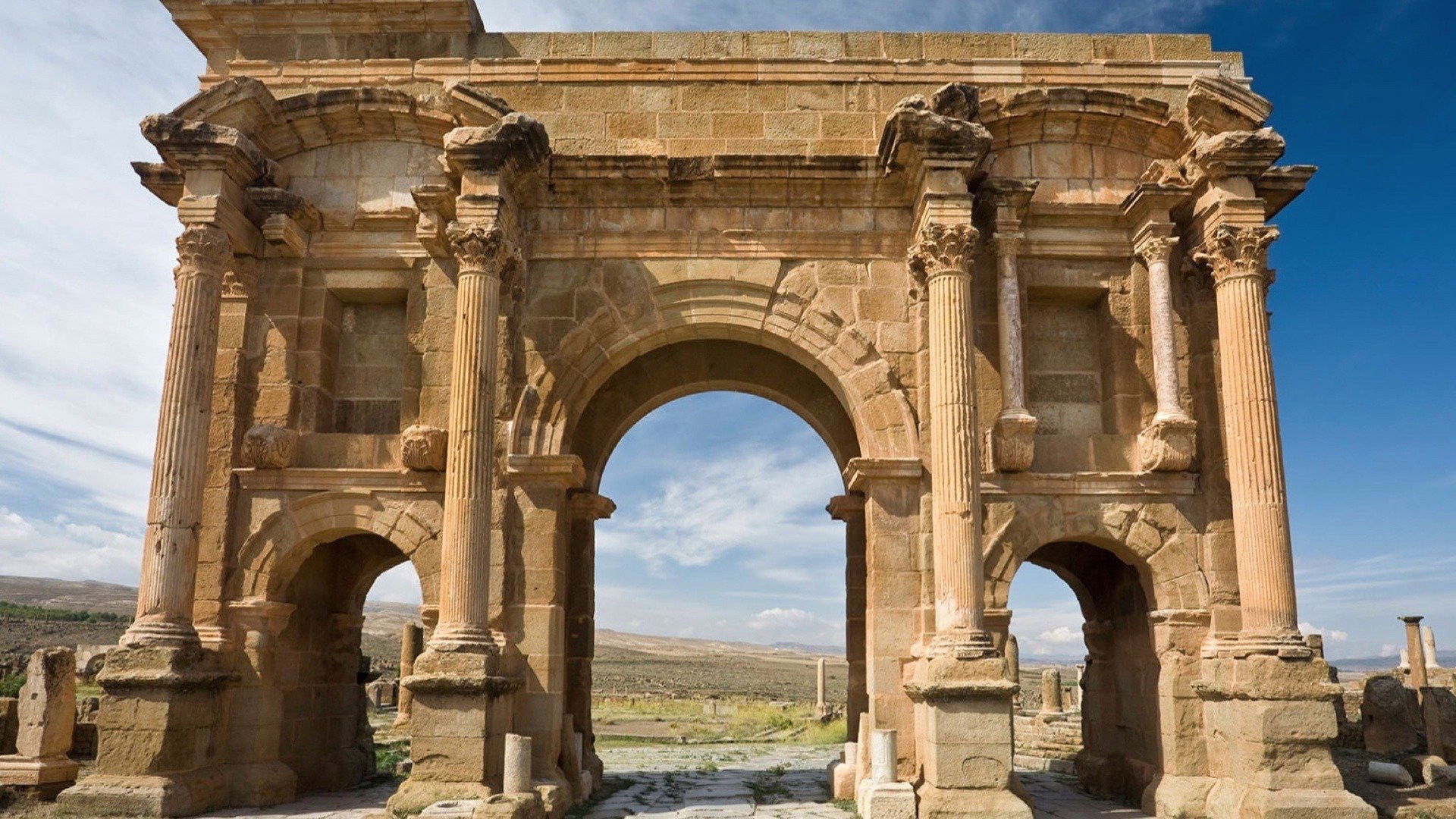
Timgad—More Roman Than Rome
2014-08-29
Take an excursion to the frontiers of the Roman Empire, where a group of military veterans lived in a planned city that represented the ideal Roman vision. Because many of these veterans had recently earned full citizenship, they were notably patriotic, transmitting much of Roman culture into new territory through this community.
22
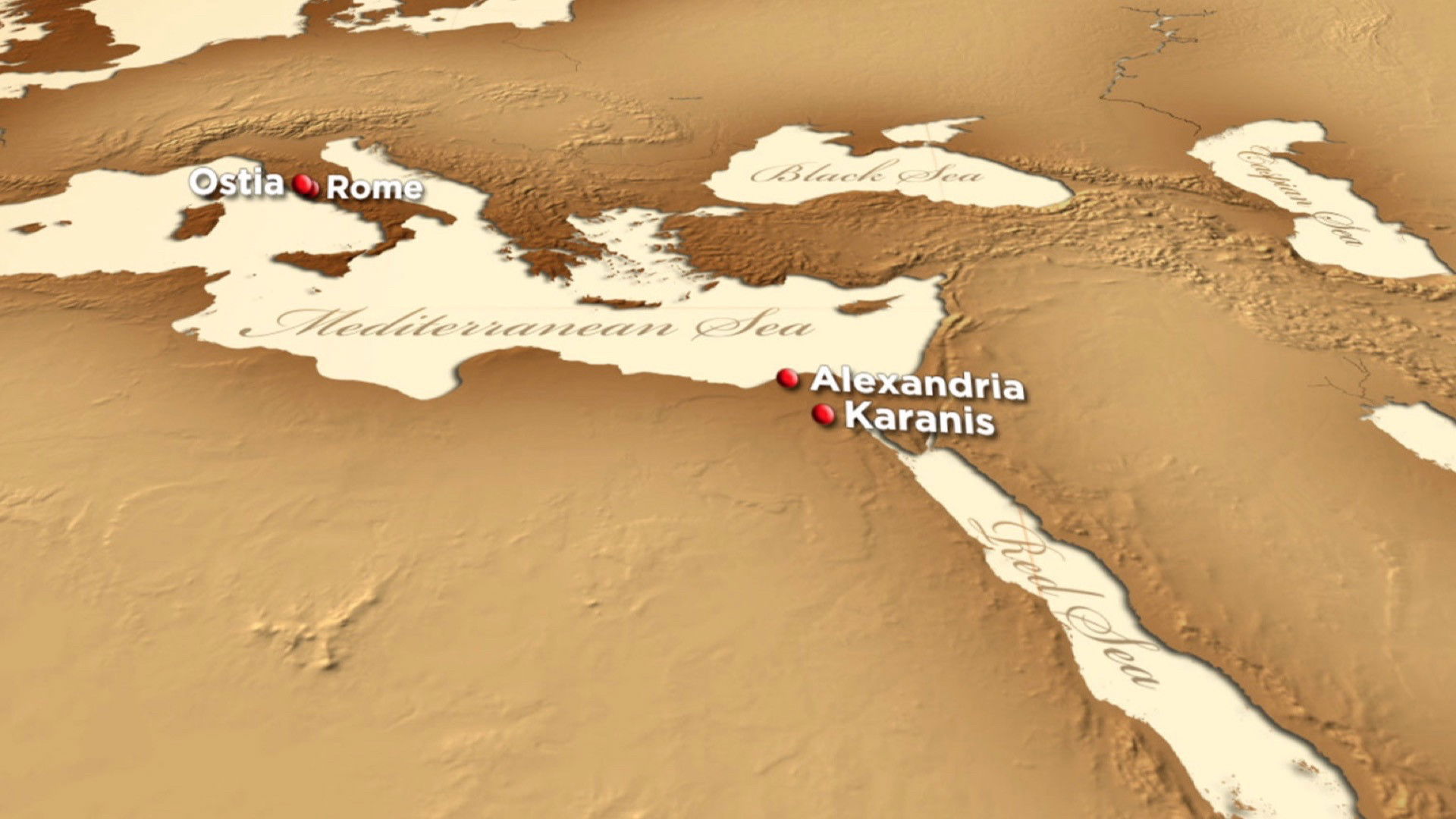
Karanis—On the Fringes of the Empire
2014-08-29
Consider another city at the edge of the empire—an agricultural community comprised of a diverse population. Here you’ll learn about the farm-based economy and its relationship to the consumer city of Rome, and you’ll examine the integration of Greek, Roman, and Egyptian ethnic groups.
23
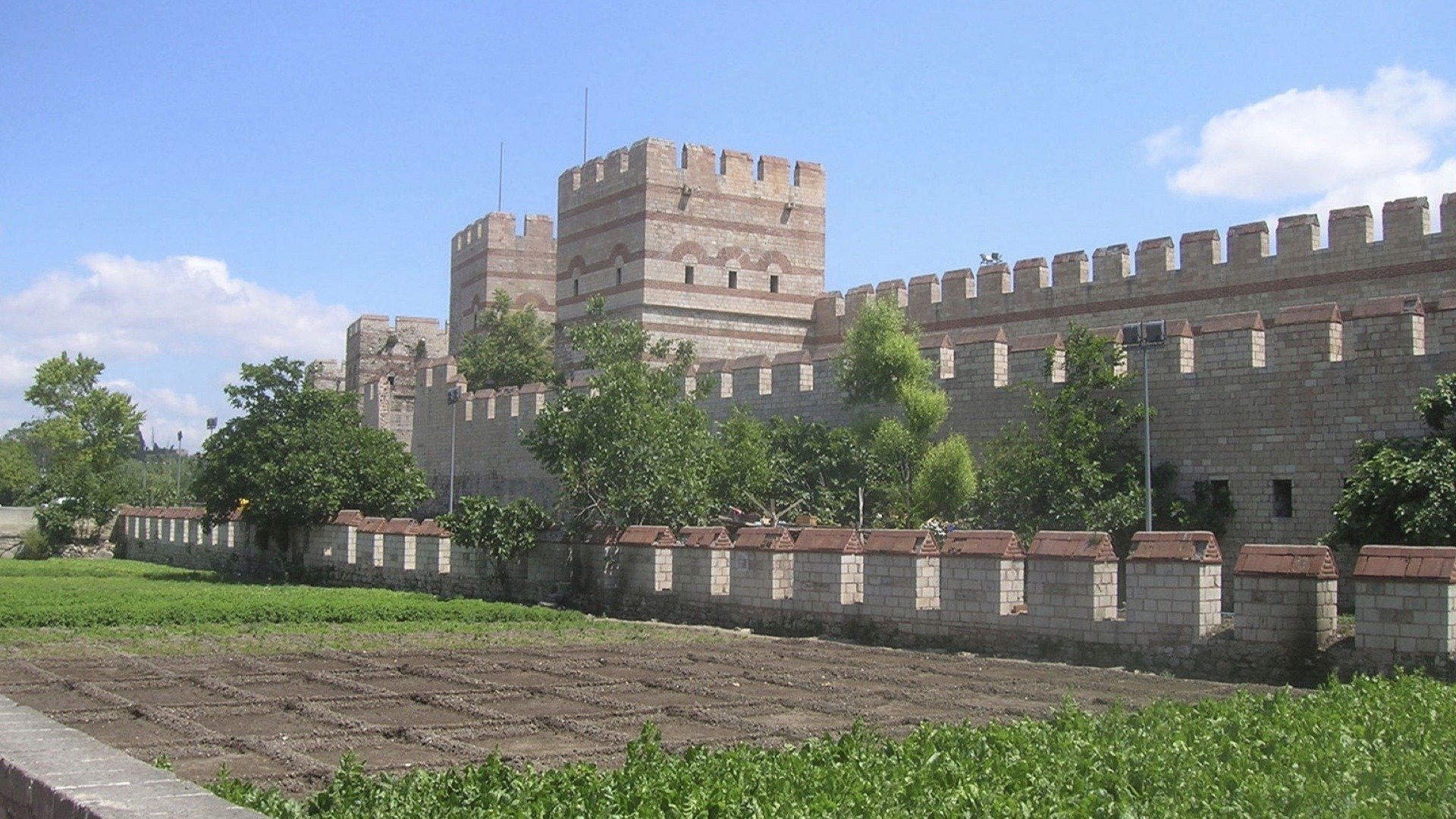
Constantinople—The Last Ancient City
2014-08-29
Your tour of ancient cities closes with an examination of Constantinople, which bridges the gap between the era of antiquity and the Middle Ages. Witness the development of this city and the political demonstrations and riots that accompanied its growth. You’ll also study the Hagia Sophia, whose dome is considered the greatest work of Byzantine architecture.
24

Lessons and Legacies of Ancient Urban Life
2014-08-29
What does this survey of ancient cities add up to? What lessons can we draw from antiquity? Conclude the course with a look at Venice and London to see what elements of ancient cities have endured in modern architecture and urban design. Then reflect on the future of the city.
CREW






“I would rather entertain and hope that people learned something than educate people and hope they were entertained.” – Walt Disney